admin
admin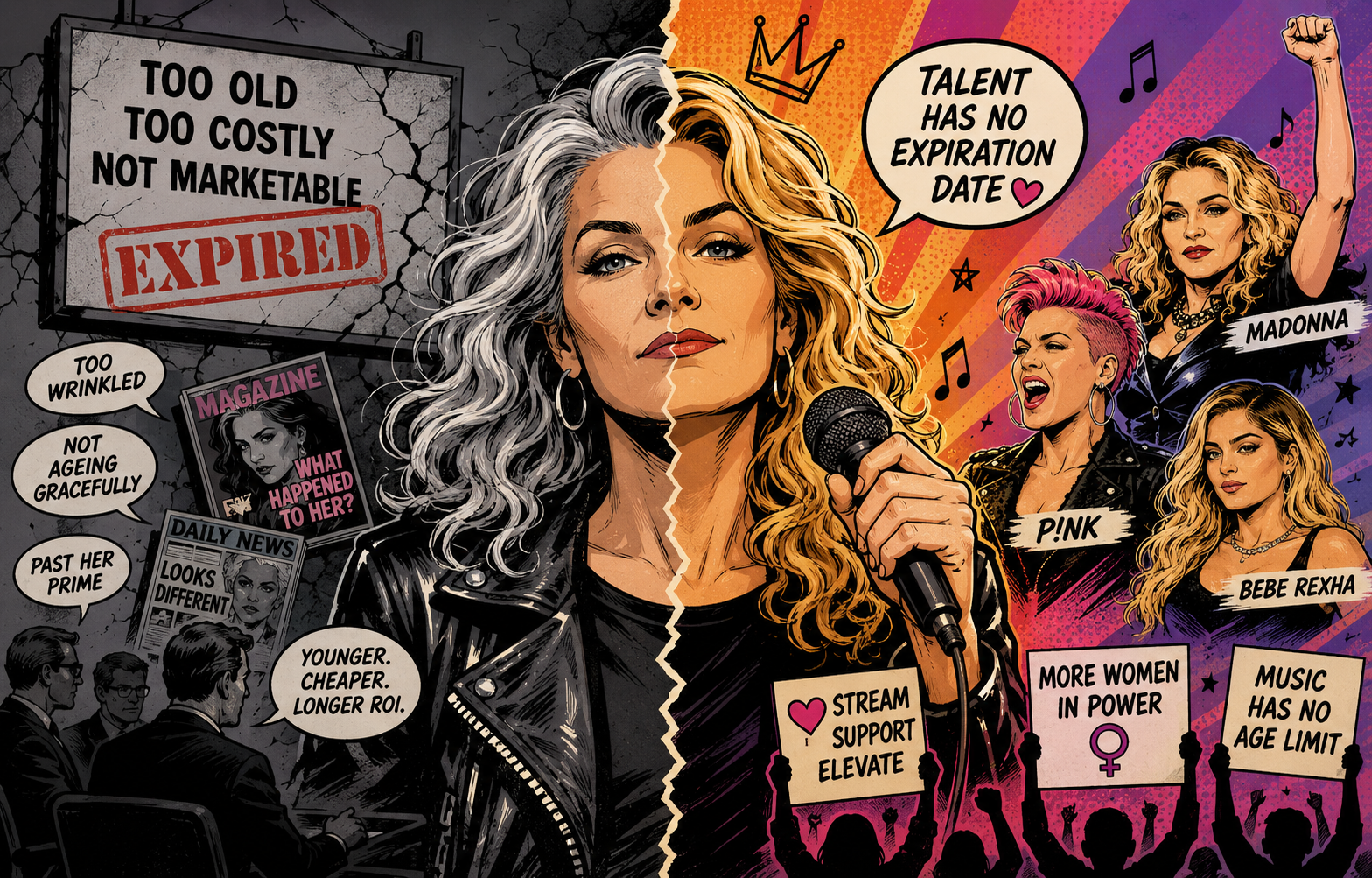
In the glittering world of pop culture, a dark and invisible boundary exists. This line often determines the value of an artist based solely on her age. The phenomenon known as Ageism Female Music Industry describes a structural disadvantage that systematically sidelines women over forty. While male rock stars like Mick Jagger are celebrated as immortal legends, women of the same age are often deemed irrelevant. The industry puts massive pressure on women because they must meet the youth obsession of major labels. As soon as the first wrinkle becomes visible, interest from mainstream radio stations usually fades. This Ageism Female Music Industry issue is not a sign of lacking talent but a result of outdated marketing. Labels prefer to invest in young newcomers because they expect a longer profit margin. However, this view completely ignores the artistic maturity and the loyal fanbase of experienced musicians.
The Legend Double Standard: Wrinkles as Flaws or Badges of Honor
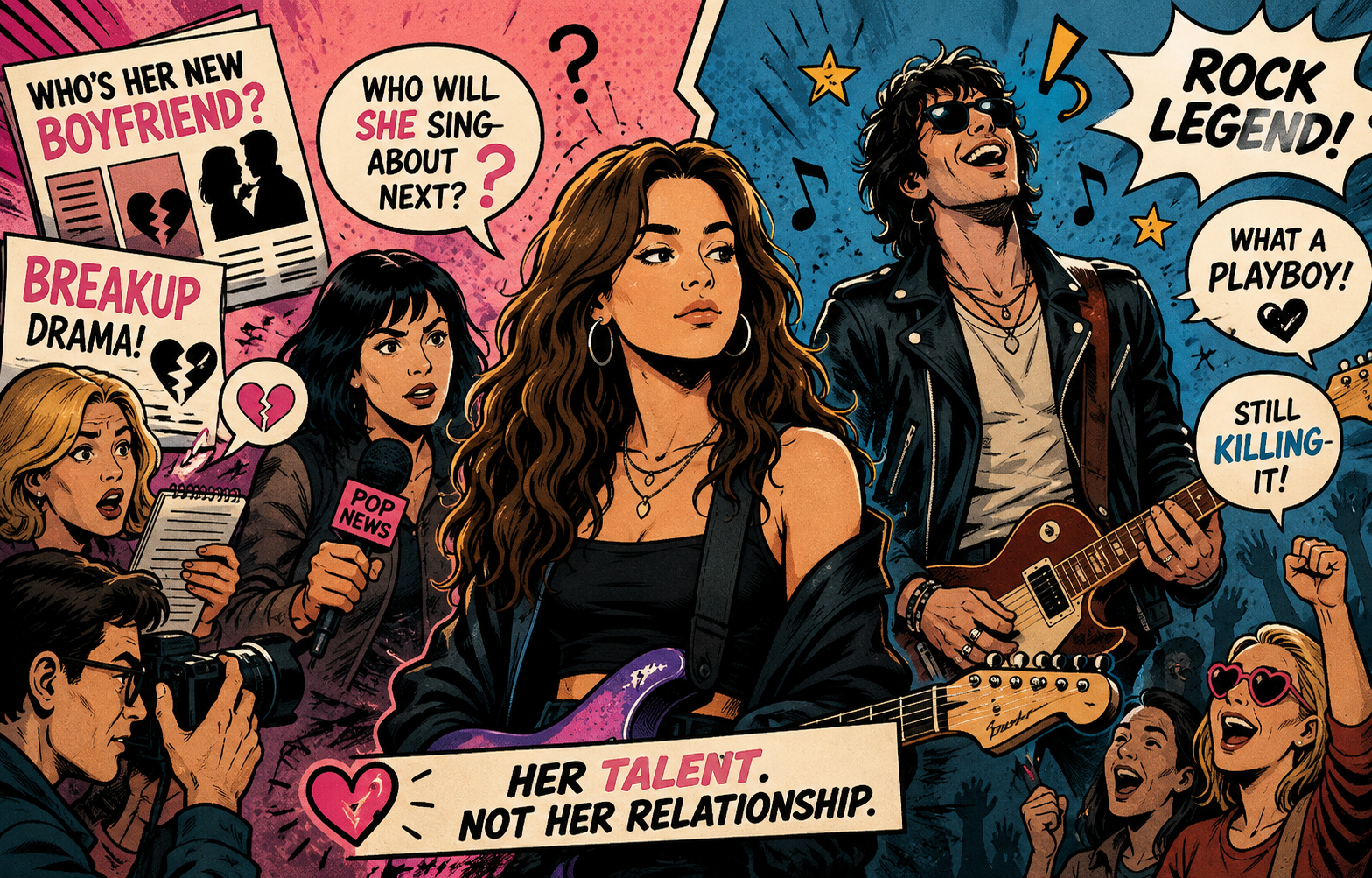
There is a striking double standard in how aging stars are evaluated. When Bruce Springsteen stands on stage, the world celebrates his authenticity. His wrinkles are seen as signs of a life well-lived and hard work. With someone like Madonna, every detail of her face is mockingly commented upon. Media punish her for not submitting to the dictates of „aging gracefully.“ The Ageism Female Music Industry problem forces artists into a hopeless trap. Either they use plastic surgery and are mocked for being unnatural, or they age naturally and are seen as unkempt. This toxic evaluation almost never happens to male colleagues. Men are allowed to ripen with dignity, while women must fight a biological clock that the business has artificially set.
Examples of Resistance: Madonna, Pink, and Bebe Rexha
Despite the enormous pressure, more women are openly challenging this system. Madonna spoke out loudly against the criticism of her appearance at the 2023 Grammys. She denounced a world that refuses to celebrate women over forty-five. Bebe Rexha also reported a manager who called her too old at only twenty-nine years of age. She reacted bravely and claimed her place in the pop circus anyway. Artists like Pink choose a conscious naturalness instead. They talk openly about the pressure of the industry and choose their own path. These women prove daily that relevance has nothing to do with a birth date. Their success clearly shows that audiences are ready for artists of any age.
Strategies for a Fair Future Without Age Limits
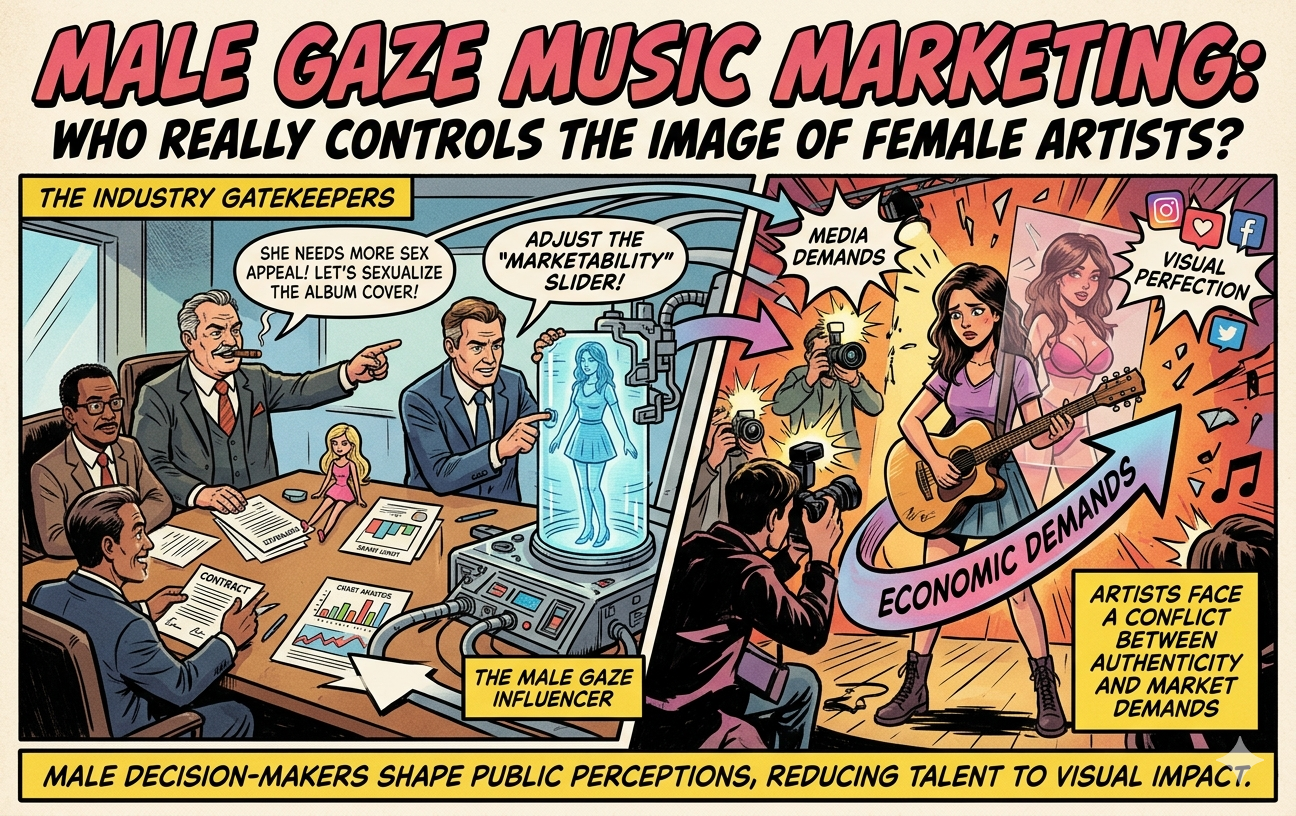
The music industry must urgently reform its understanding of marketability. Talent has no expiration date and experience should be a valuable asset. Radio stations must adjust their algorithms so that songs by women over forty return to rotation. We need more women in the executive floors of labels to break the male gaze on aging. The Ageism Female Music Industry stigma harms not only the artists but also the diversity of our culture. Fans should specifically stream the music of older female artists to take a stand against youth obsession. Only through collective change can we ensure that music is judged by quality again. Age should tell a story and not end a career.
At A Glance
- Core Problem: Women over 40 are often deemed irrelevant in the music business.
- Double Standard: Male stars are revered as legends, while women are criticized for aging.
- Pressure: Female artists suffer from the compulsion for eternal visual optimization.
- Role Models: Madonna, Pink, and Bebe Rexha actively fight against age discrimination.
- Goal: Relevance should be defined by talent and not by age.
This article was written by JB for Only Women Music
More articles from the “Just My Two Cents” category